AI-Powered Self-Service: Redefining Customer Support
AI is transforming customer support by helping customers find the right information without needing to call a service center. Instead of waiting on hold, users can turn to AI-powered knowledge bases, chatbots, and smart FAQs that provide fast and accurate answers. These tools analyze vast amounts of data, delivering precise, context-aware responses that help customers solve problems on their own. Businesses benefit by reducing support calls and operational costs, while improving efficiency and customer satisfaction. For more insights on AI-powered knowledge accessibility, check out this article from Microsoft.
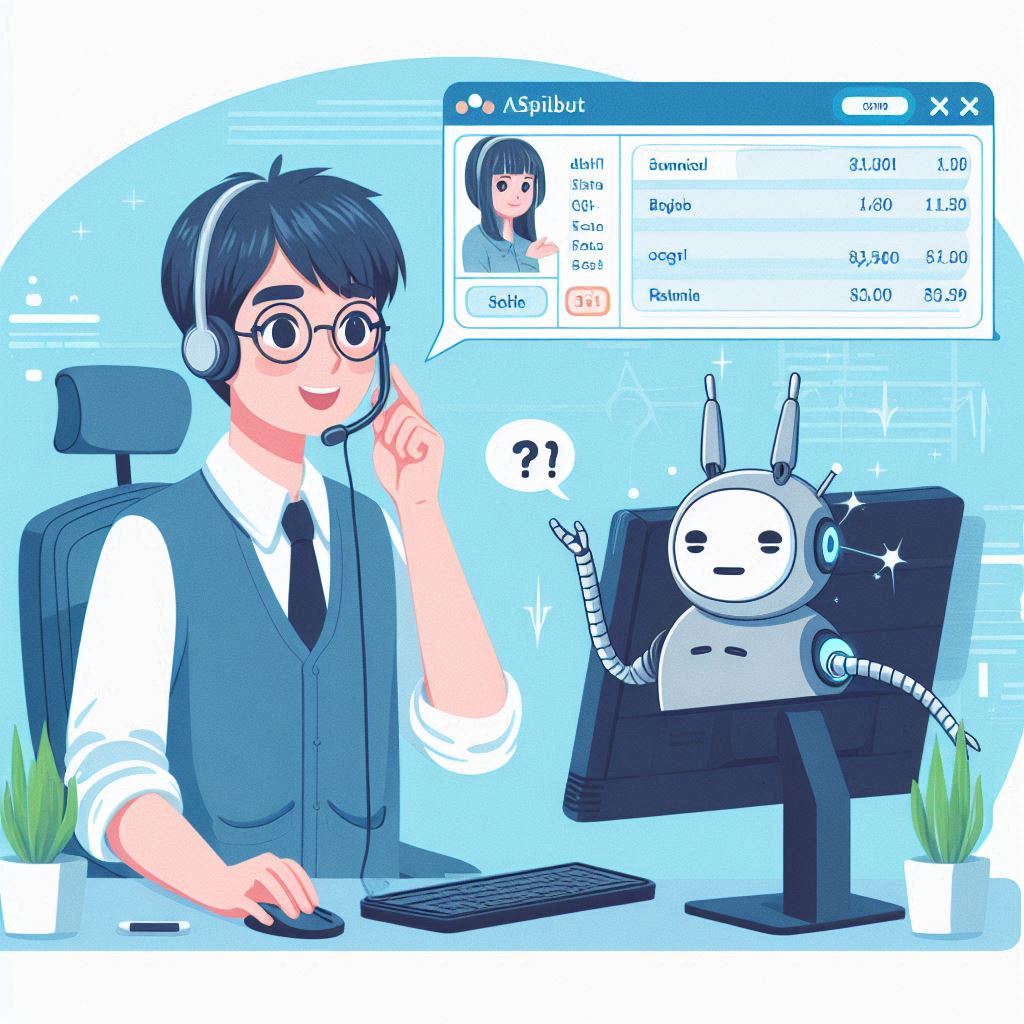
Customer support is shifting away from call centers, with businesses now relying on AI-driven solutions to provide quick, automated help. AI-powered search engines, chatbots, and smart knowledge systems ensure customers receive answers in seconds instead of minutes, removing frustration and long wait times. These AI tools continuously learn from user interactions, improving their ability to understand questions and provide accurate, personalized responses. AI doesn’t just improve speed—it also adapts answers based on user behavior, offering more relevant solutions that reduce the need for human intervention. By embracing AI-powered self-service, companies provide round-the-clock support while lowering costs and enhancing customer loyalty.
As businesses embrace AI-powered customer support, maintaining well-organized and accessible knowledge becomes essential. AI can only deliver accurate answers if the information behind it is structured, centralized, and continuously updated. This is where effective knowledge management plays a crucial role.
Optimizing Knowledge Management for AI Integration
AI works best when information is well-organized and easy to find. Without a clear structure, even the smartest AI tools can struggle to deliver helpful answers. Businesses should focus on grouping related topics, labeling content clearly, and eliminating outdated information, ensuring that AI-powered search engines and chatbots provide quick, relevant responses. Well-structured knowledge management systems create a smoother self-service experience, allowing customers to solve problems independently while reducing support team workloads.
A strong AI-driven support system relies on a centralized knowledge base that stores all critical information in one place. Without proper maintenance, information can become fragmented or outdated, leading to customer frustration. Businesses should establish regular review cycles to update content, check for accuracy, and ensure that AI pulls the most reliable answers. By maintaining a clean, well-organized repository, companies improve accessibility, reduce misinformation, and build trust with their customers. For more insights on the benefits of centralized knowledge bases, check out this article from Document360.
AI doesn’t just deliver information—it also provides insights into how customers interact with knowledge systems. Analytics can track frequent questions, gaps in available information, and patterns in search behavior, helping businesses adjust content based on customer needs. Companies that leverage AI-driven data insights can refine FAQs, enhance chatbot responses, and improve search accuracy, ensuring customers always find the right answers. By continuously learning and evolving, AI-powered knowledge systems help businesses stay ahead of customer expectations while optimizing self-service success rates.
With AI-powered knowledge management in place, businesses can ensure customers find reliable answers instantly. But how do organizations measure the success of these AI-driven systems? Tracking impact is essential—ensuring AI not only deflects support calls but also enhances customer satisfaction. By analyzing key performance metrics, businesses can refine their AI strategies and optimize knowledge delivery for better results.
Measuring Impact: AI’s Role in Call Deflection & Customer Satisfaction
AI-driven self-service tools are transforming customer interactions, significantly decreasing the number of routine support calls. When customers can quickly find solutions on their own—whether through AI-powered search, smart FAQs, or automated virtual assistants—they don’t need to reach out to human agents for help. This shift not only reduces support workloads but also leads to substantial cost savings for businesses. Additionally, empowering customers with instant access to information boosts their autonomy, creating a more efficient and user-friendly experience.
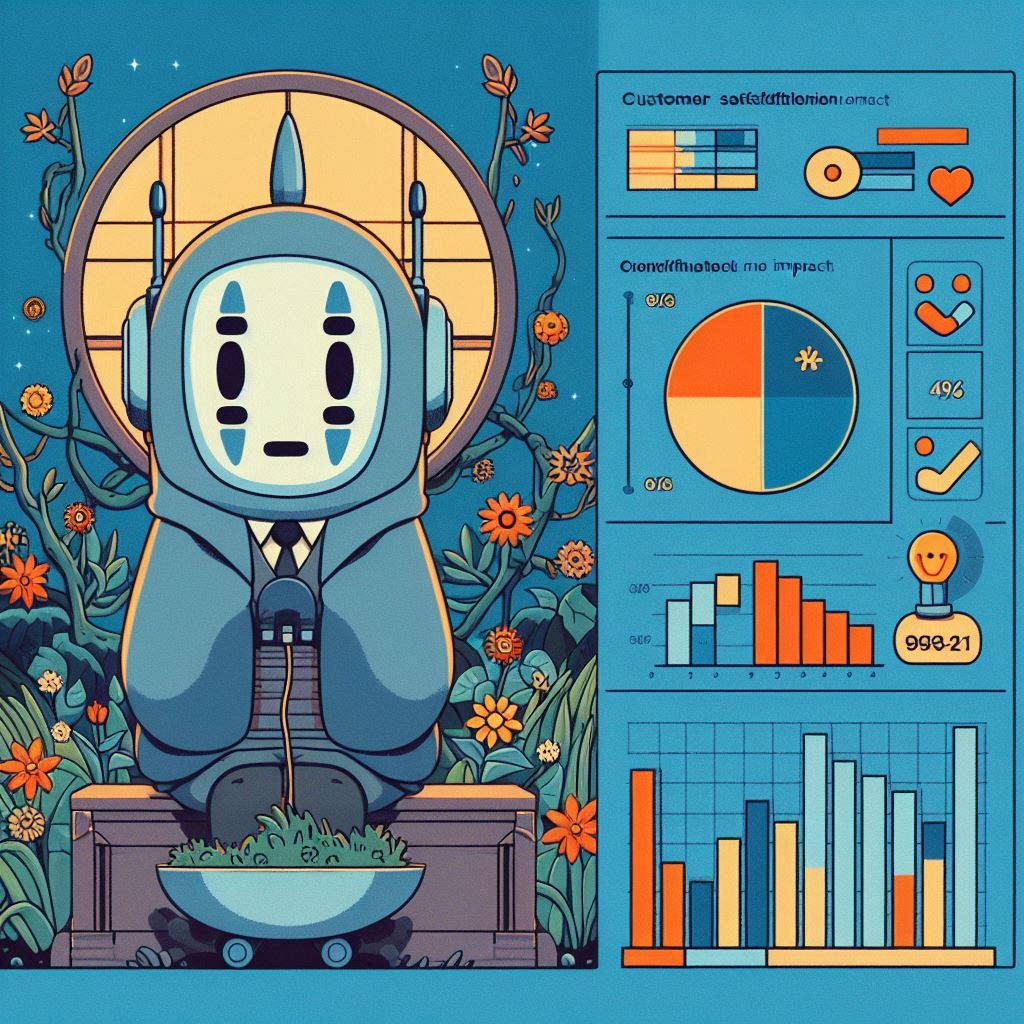
To ensure AI is truly delivering value, organizations must measure its impact on customer engagement. Metrics such as call deflection rates, search success percentages, and chatbot resolution effectiveness help businesses gauge how well their AI-powered systems are performing. Customer satisfaction surveys and feedback loops provide additional insights, highlighting areas where AI-driven self-service may need refinement. Tracking these KPIs allows businesses to continually enhance their knowledge management strategies and ensure AI meets user expectations.
AI-powered self-service is constantly evolving, with new advancements making customer interactions even more seamless. Emerging technologies like conversational AI and generative AI-powered virtual assistants will take self-service to the next level—delivering human-like responses while maintaining efficiency. Businesses that embrace these innovations will see higher adoption rates, increased customer satisfaction, and more streamlined support operations. As AI becomes smarter and more adaptive, self-service systems will continue reshaping how organizations engage with their customers.
Final Thoughts: The Future of AI-Driven Self-Service
AI-powered knowledge management is transforming customer self-service, streamlining support operations, and improving customer satisfaction. By leveraging structured knowledge systems, businesses ensure AI delivers accurate, instant, and personalized assistance, reducing reliance on traditional call centers. As AI continues to evolve, companies must focus on content optimization, centralized repositories, and continuous learning to maximize AI’s effectiveness. Tracking key metrics, such as call deflection rates and engagement levels, helps organizations refine their strategies, ensuring AI remains a valuable tool in enhancing customer experiences.
Key Takeaways:
- AI-driven self-service reduces support calls, lowers costs, and empowers customers to find answers independently.
- Optimized knowledge management ensures AI delivers quick, relevant, and accurate responses for better self-service.
- Measuring impact through KPIs like call deflection, search accuracy, and customer satisfaction helps businesses refine AI effectiveness.
- Future advancements in conversational AI will further enhance customer interactions, creating more adaptive and efficient self-service solutions.